Smokeable Flower

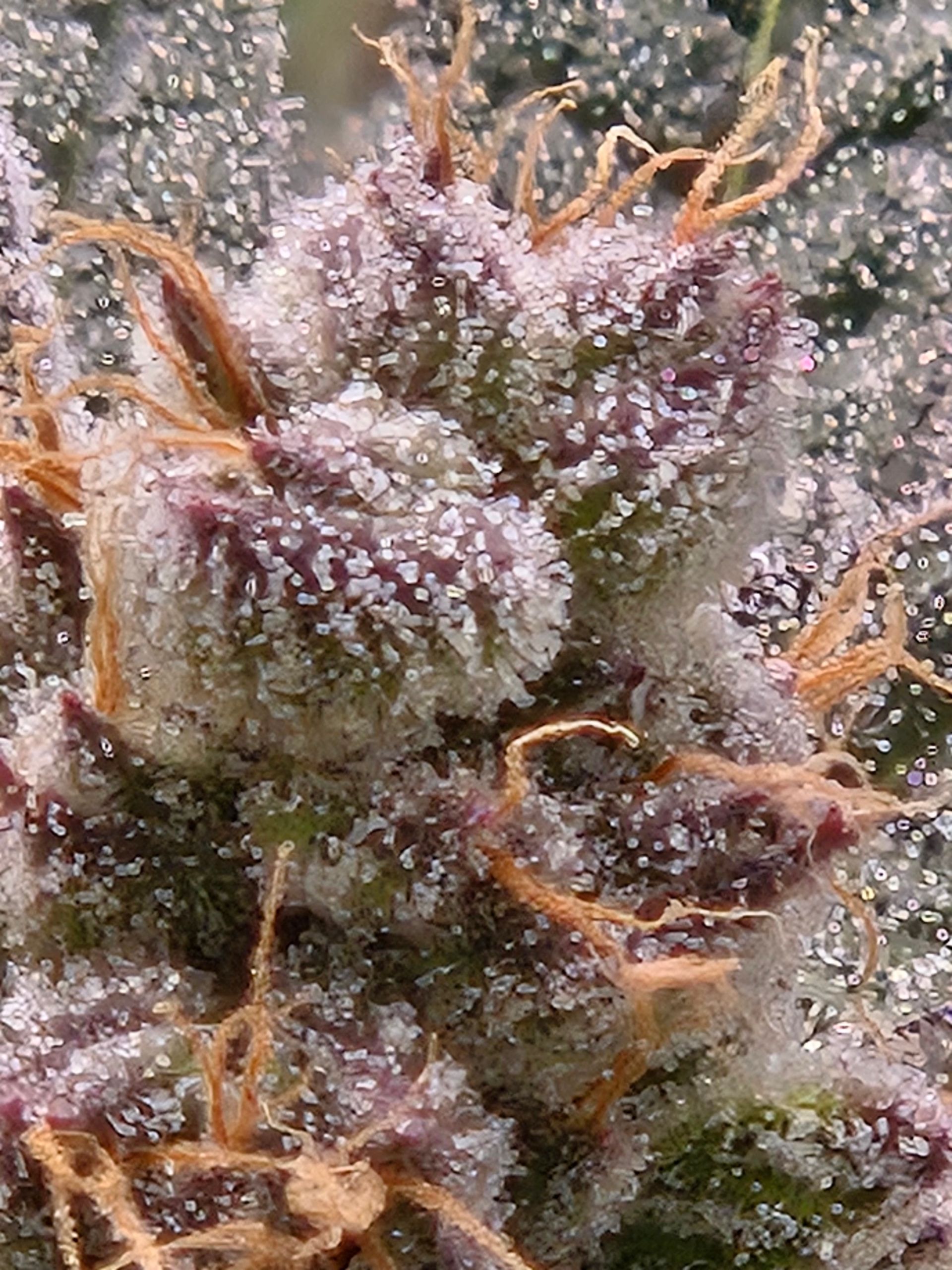
Buds

Flower, or bud, is the dried cannabis plant in its natural state. It’s the most traditional way to use cannabis, and there are a few different ways patients typically enjoy it:


Pipes and bowls: Simple, quick, and easy to control your dose. Pack a small amount, light it, and inhale slowly. Great for personal sessions.


Joints or pre-rolls: Ground flower rolled in paper. Pre-rolls are convenient for trying new strains or medicating discreetly.


Bongs or water pipes: Smoke passes through water before you inhale, which cools and filters it, making it smoother on your lungs.


Dry herb vaporizers (DHV): Instead of burning, these devices heat the flower to release cannabinoids and terpenes as vapor. Portable vapes are battery-powered and easy to carry, while desktop models plug in and offer precise temperature control. DHV gives a smooth, flavorful experience with less odor and lung irritation than smoking.


Smoking and DHV provide almost immediate relief; effects are usually felt within minutes. Flower is sold by the 1/8 oz (3.5 grams), in multiple of eights, or in smaller pre-rolls, and is listed under it's own 'smokable' category on your recommendation.


Inhalation Route

Dab

Inhalation products include pre-filled cartridges, vape pens, and dabbable concentrates. Patients like them because they work fast, are discreet, and come in a wide range of potencies and flavor profiles.


Vape Cartridge Oils


BDT (Botanically Derived Terpene) Distillate

Highly refined, THC-rich oil with plant-derived terpenes added back for flavor. This is the most basic type of cannabis oil and is generally the least effective option you’ll see in a vape cartridge.


CDT (Cannabis-Derived Terpene) Distillate

Distillate enriched with cannabinoids and terpenes taken directly from the cannabis plant it was made from. More complete, more effective, and typically better tolerated than BDT carts.


Sauce / HTFSE + Distillate

A blend of high-terpene full-spectrum extract and distillate. These carts deliver smoother, more flavorful hits and stronger effects, though they’re often priced higher than standard distillate options.


Dabbable Concentrates


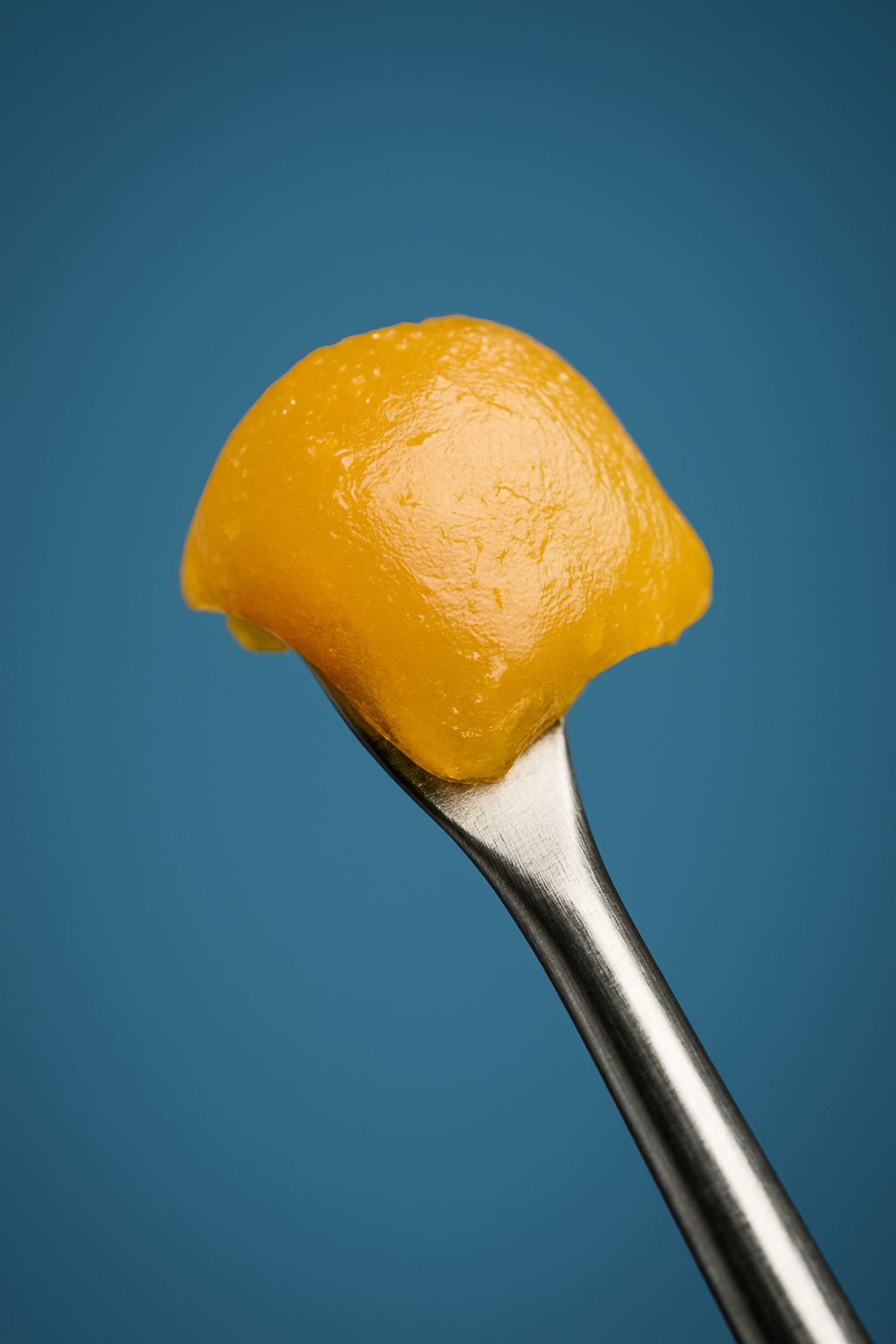
Cured Resin

Made from harvested flower that’s dried, cured, and then extracted using a solvent (butane, propane, etc.). Potent, flavorful, and a solid all-around concentrate.


Live Resin

Extracted from fresh-frozen flower to preserve terpenes. The result is a louder aroma and a more “fresh plant” flavor, still using a solvent-based process.


Live Rosin

A solventless concentrate made with ice water, heat, and pressure. Clean, terpene-rich, and often considered premium.


Cured concentrates (shatter, crumble, wax) are made from dried and cured flower. They’re stable, easy to store, and have a more classic cannabis flavor.


Live concentrates (live resin, live rosin) are made from fresh-frozen flower and retain more of the plant’s original terpene profile. They tend to be more aromatic, flavorful, and are often preferred by experienced patients.


Resin vs. Rosin


Resin products are always made using a solvent, which is purged out before the final product is packaged.


Rosin is completely solventless and made through a multi-step process involving ice water, heat, and pressure. Great rosin is equal parts science, skill, and patience.


Dab Rigs & E-Nails


Dab rigs are devices designed specifically for inhaling concentrates. A small surface is heated, the concentrate is applied, and the vapor is inhaled.

E-nails and devices like Puffco or Dr. Dabber replace the torch with precise electronic temperature control, making hits smoother and more consistent. These methods are very potent and best suited for patients looking for fast, strong relief.


How Fast It Works


Inhalation acts almost immediately. Most patients feel relief within 1–5 minutes, with effects lasting a couple of hours. Many patients combine inhalation with oral or edible products to maintain longer-lasting baseline relief while keeping a fast-acting option on hand.
Oral Route

Oral Route

Oral cannabis products are swallowed and absorbed through digestion. They take longer to kick in than smoking, but the effects last much longer, making this route ideal for steady, sustained relief.


Common Oral Products


Distillate & RSO Syringes

These are concentrated cannabis oils intended to be swallowed in very small amounts. They can be taken directly, placed into capsules, or used to infuse food or drinks.


RSO is full-spectrum and typically stronger and longer-lasting, while distillate is more refined and predictable.


Capsules & Tablets

Pre-dosed oral options with consistent effects and no flavor. Easy, discreet, and reliable for patients who want predictable dosing.


Nectar

A thinner, sugar syrup based cannabis oil designed primarily for infusing food or beverages. While it can be taken directly, it’s most often used to make drinks, sauces, or other edible-style preparations without needing to cook.


Other Oral Oils

Occasionally, products labeled as oils or tincture-style syrups may be dispensed for oral use. These are swallowed rather than held under the tongue and if you want them to behave like other oral products.


What to Expect


Oral products typically take 45 minutes to 2 hours to begin working, with effects lasting 6–8 hours or longer. Because digestion and metabolism vary from person to person, oral dosing should always start low and go slow.


Sublingual Route

Oral Route

Sublingual products are absorbed under the tongue or in the mouth, bypassing digestion. This gives a faster onset than oral products, while still avoiding inhalation.


Sublingual Products


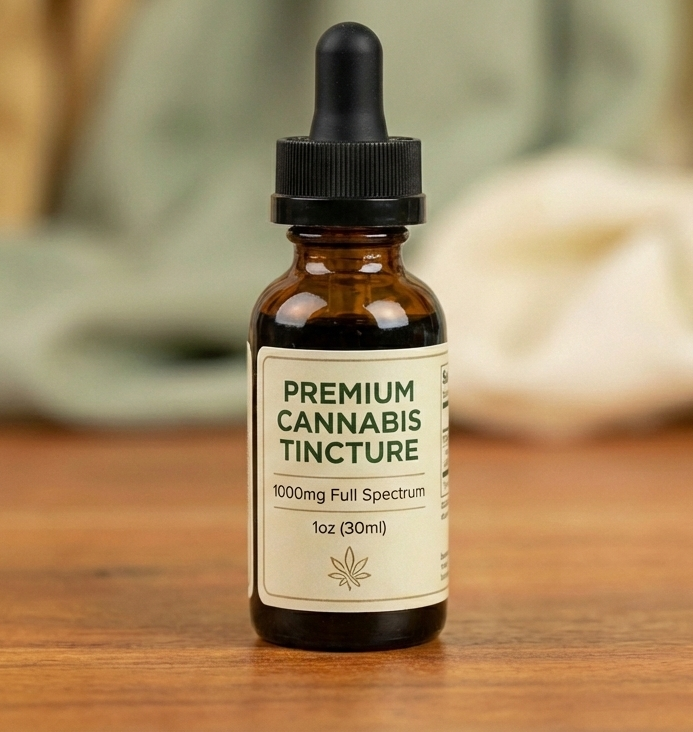
Tinctures

Liquid cannabis extracts made from oil or alcohol, placed under the tongue and held for absorption. Effects usually start within 15–45 minutes, making them ideal for flexible, faster relief without smoking or vaping.


Mints & Lozenges

Slow-dissolve products that are absorbed through the tissues of the mouth. They’re discreet, portable, and convenient for patients on the go. Onset is similar to tinctures, though sometimes slightly slower depending on how long they’re held in the mouth.


How Patients Use Sublinguals


Sublinguals are often paired with oral or inhalation products. Patients may use sublinguals for mid-day adjustments or situations where quick, controlled relief is needed without vapor or smoke.


Edible Route

Edible Route

Edibles are cannabis products you eat. In Florida, that means gummies, chocolates, and the occasional baked good. 


What to Know About Edibles


Onset: Effects usually begin in 45 minutes to 2 hours, depending on metabolism and digestion.


Duration: Effects can last 6 hours or longer, making edibles ideal for all-day relief.


Dosing: Always start low and go slow. Florida edibles are typically sold in 10mg doses, but tolerance and body chemistry vary widely.


Edibles are great for:


Sustained, long-lasting relief


Nighttime use or extended symptom management


Patients who prefer not to inhale


Many patients pair edibles with inhalation for fast relief or oral/sublingual products for additional, adjustable effects throughout the day.


Want to try DIY edibles? Check out our [recipe collection] for edibles you can make at home with ready to use cannabis distillate and RSO syringes.


Topical Route

Topical Route

Topical cannabis products are applied directly to the skin and absorbed locally. They provide relief to targeted areas without producing a high, making them ideal for patients who want symptom control without psychoactive effects.


Common Topical Products


Lotions, Creams, and Gels

Cannabis-infused products for localized pain, inflammation, or skin issues. Absorption is generally slow but steady, and effects are limited to the area applied. Some products claim nano absorbtion, but pschoactive effects are not expected


Balms & Salves

Thicker, concentrated products designed for sore muscles, joints, or specific problem areas. Often combined with natural oils for better absorption and soothing effects.


Transdermal Patches

Patches deliver cannabinoids through the skin into the bloodstream for more systemic effects. They offer longer-lasting relief and discreet dosing.


How Patients Use Topicals


Topicals are best for localized relief from pain, inflammation, or skin conditions. They’re often paired with oral, sublingual, or inhalation products for patients who want both targeted and systemic effects.